

Across the farming and estate sector, every change of government creates a wave of questions. Will planning become easier, or will we lose permitted development rights? Will housing targets increase? Will renewable energy projects be encouraged? Should we accelerate their farm diversification strategy plans, or wait for greater policy certainty?
The reality is that most planning opportunities are shaped by long-term policy rather than election cycles. However, changes in government can alter the direction of travel, creating opportunities for some landowners while introducing new challenges for others. The key question is not whether government has changed. It is how that change could affect the future value of your land, and your long-term strategic estate planning.
Why Farm Diversification Could Become More Important Than Ever
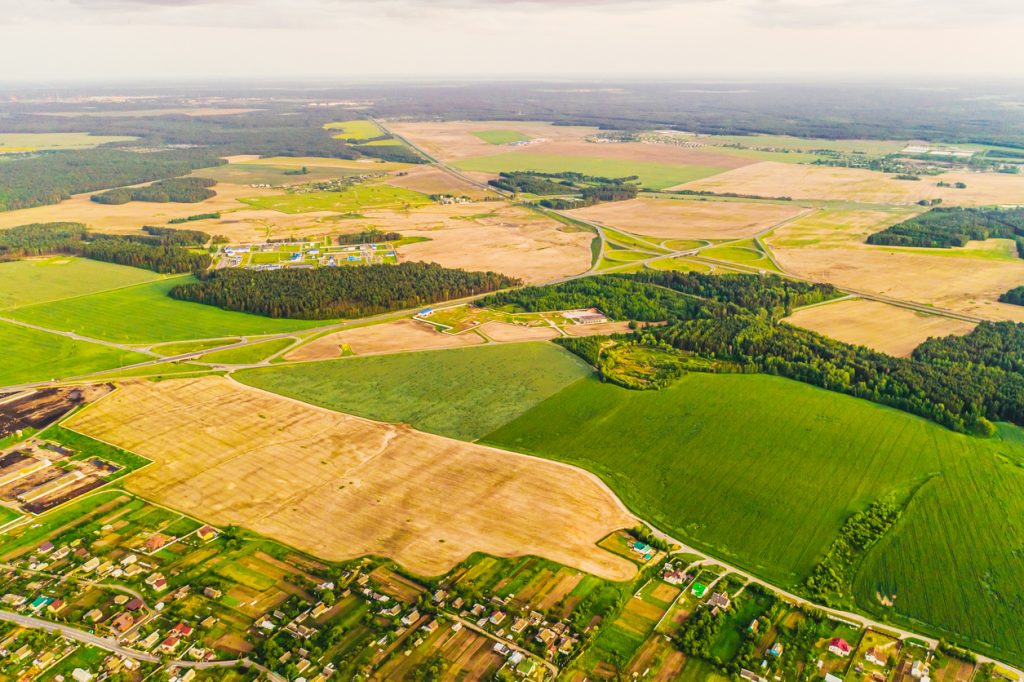
Many farm businesses are now balancing fluctuating returns, capped agri-environmental scheme income and rising operating costs. Successive governments have supported farm diversification and wider rural development in principle, but planning policy determines whether that support is genuinely felt on the ground, at local authority level.
For landowners considering:
- Farm retail
- Rural workspaces
- Holiday accommodation
- Leisure uses
- Commercial conversions
- Mixed-use or multifaceted estate developments
the wording of national and local planning policy matters significantly in regards to farm diversification projects. A government seeking economic growth is often more supportive of rural enterprise and commercial activity. For many estates, this could create opportunities to unlock value from existing buildings and underutilised assets rather than relying solely on agricultural income. Often the best farm diversification opportunities are not created by building something entirely new. They emerge from looking differently at assets and unfair advantages already sitting within the business.

Environmental Land Use Strategy Will Continue to Compete for Space
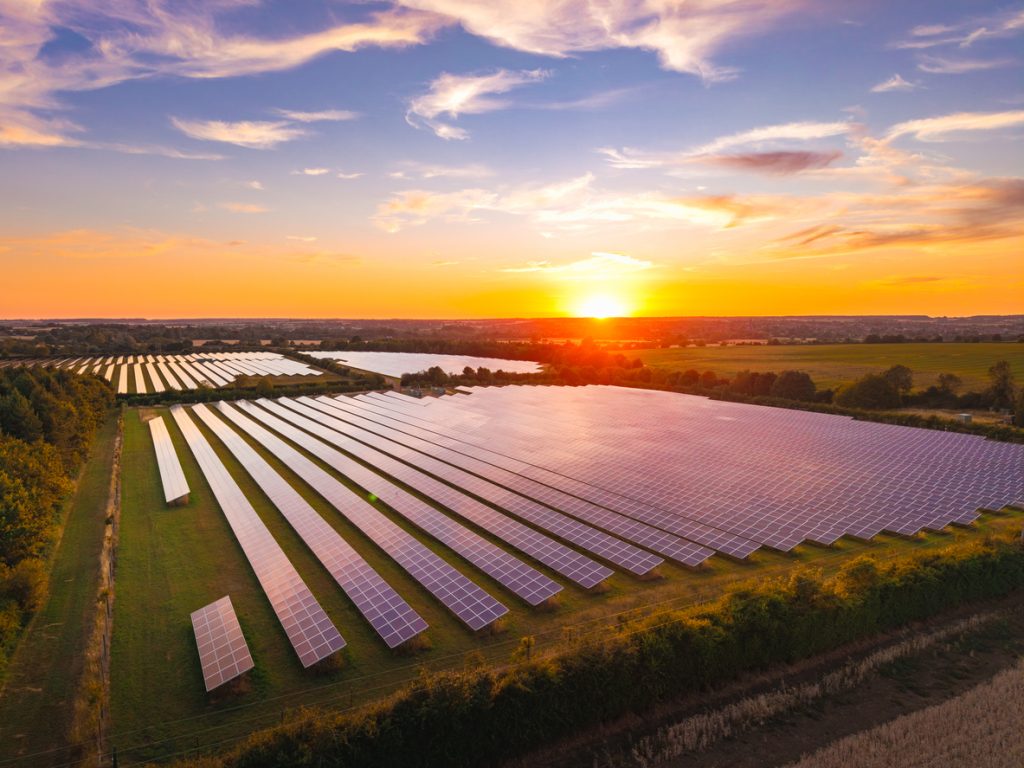
One of the most important trends facing rural landowners has little to do with party politics. A growing number of land uses are competing for the same acreage. Food production, Housing developers, renewable energy companies, ecosystem services such as biodiversity projects, woodland planting schemes, all requiring land. The challenge for landowners is understanding which opportunities align with the long-term objectives of the farm or estate.
Changes in government can influence the balance between these competing demands. Support for renewable energy, grid infrastructure, Biodiversity Net Gain and environmental enhancements can all impact land values and development potential. The estates that tend to benefit most are those that evaluate all options before making long-term commitments, rather than reacting solely to whichever opportunity is attracting the most attention at the time.
Local Plans Will Matter More Than Political Headlines for Rural Development
One common mistake during periods of political change is focusing on national announcements while ignoring the local planning position. A housing target announced in Westminster may grab headlines, but it is local plans that ultimately determine where land development is directed.
For landowners, understanding whether a local authority has:
- An up-to-date local plan
- An emerging new local plan
- A five-year housing land supply
- Emerging site allocations
- Settlement boundary reviews underway
can be more important than understanding the latest political speech. Across the estates we work with, some of the most significant opportunities emerge not because of a national policy shift, but because a local authority finds itself under increasing pressure to identify future growth locations.
What Should Landowners Do During Political Change?
The worst response is often to do nothing.
Instead, periods of policy change are often the right time to:
- Review landholdings and strategic opportunities
- Reassess previously rejected schemes
- Examine farm diversification options
- Understand the local plan position
- Identify longer-term development potential
- Consider how changing policy could affect estate strategy
Not every opportunity should be pursued, and discounting some through careful strategic review can improve focus on projects that should be pursued. Understanding the options available provides far more control than simply waiting to see what happens.
The Bigger Picture
Governments come and go. National planning policy evolves. Rural businesses adapt. The farmers and estate owners who navigate these changes most successfully are rarely those who predict every political shift correctly. They are the ones who understand their assets, monitor the planning landscape, take professional advice and keep their options open. A change of government will likely not alter the fundamentals of a good site, a strong farm diversification opportunity or a well-considered estate strategy. What it can do is create a window where opportunities that once looked difficult become achievable. The challenge is being prepared before that window opens.
Here at Dudley Peverill Associate we support, farms, estates and landowners with farm diversification and rural diversification consultancy, to deliver your projects from concept to completion. Please get in touch for all your rual project questions.