

A recent estate visit offered a useful reminder that mixed farming systems only really work when the human side is thought through as carefully as the agronomy.
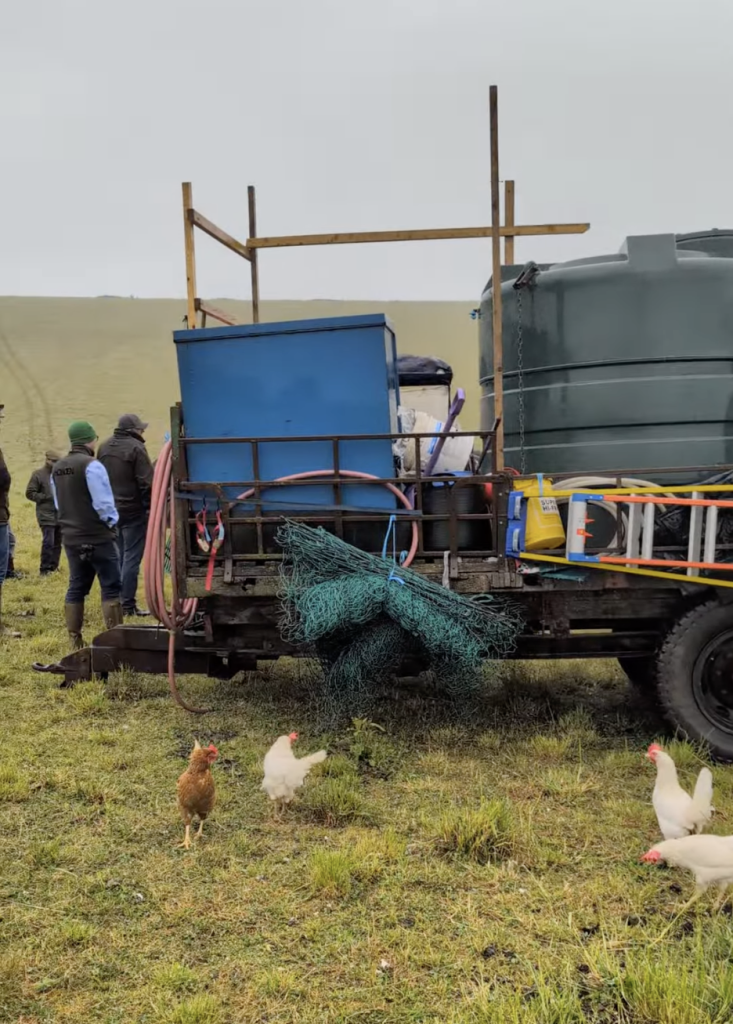
The estate in question runs a deliberately circular system. Half the land sits in long-term herbal grass leys, focused on building soil health. The other half moves through arable cropping. The grass supports a low-input, once-a-day dairy herd and youngstock. Behind them come mobile laying hens, helping with parasite control before the land returns to crops.
On paper, it looks complex. In practice, it’s four clear income streams supporting one another: herbal leys, dairy, eggs and combinable crops. Each does a job. None is forced to carry the whole business.
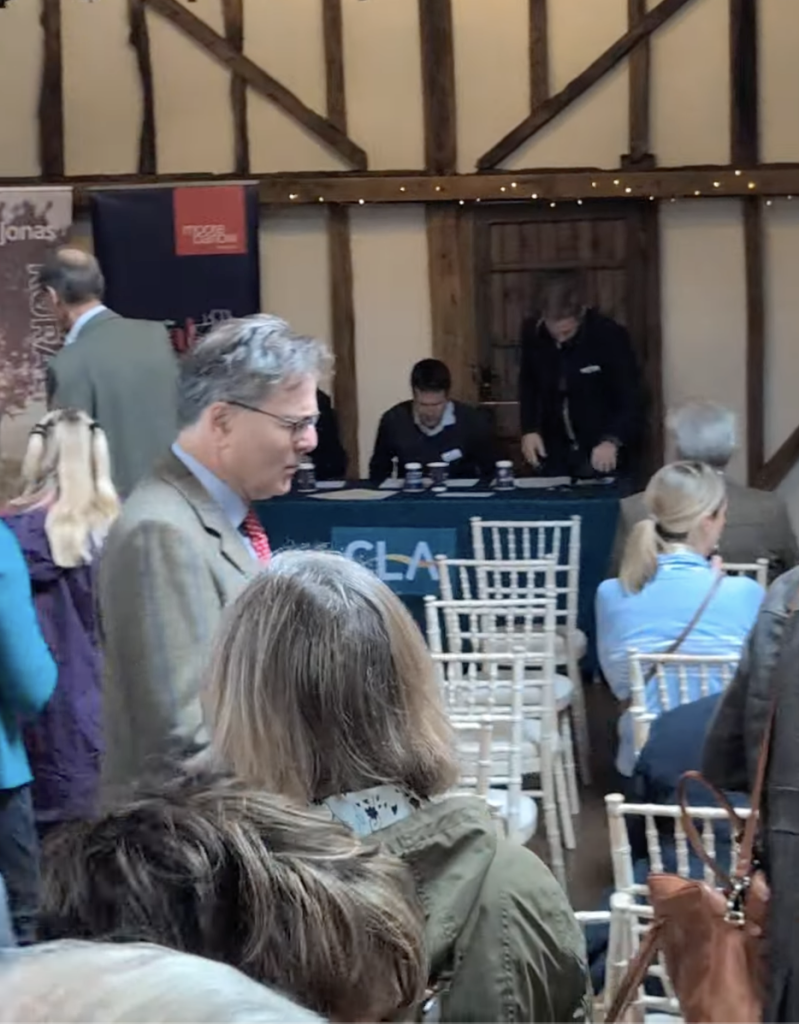
What interested many on the visit wasn’t just the system, but the people question behind it.
We often talk about “active” versus “passive” enterprises as if it’s a binary choice. In reality, most estates sit somewhere on a sliding scale, depending on appetite, skills and time. The challenge is finding the right people to run parts of the system without creating misaligned incentives.
Here, the answer has been share farming.
Under this model, the estate takes a minority stake in each enterprise, with the operator investing the balance. Both parties have capital at risk. Both benefit from good performance. It naturally pulls landlord and operator in the same direction, encouraging openness and problem-solving rather than rent reviews and resentment.
Finding those operators is done in an equally pragmatic way. Rather than quietly selecting from a narrow pool, the estate openly invites proposals for new enterprises that fit within the wider system. Food, energy, land-based and craft businesses all pitch ideas for using land, buildings or by-products in a way that adds to the whole. https://www.kingsclere-estates.co.uk/pitch-up/
The lesson is a simple one. Across many estates, the most resilient diversification strategies don’t start with a scheme or a grant. They start by asking: Who else could thrive here alongside us, if the structure was right?
Often, the opportunity isn’t a new crop or technology, but a better way of sharing risk, reward and responsibility.
Enterprise stacking only works if the human side works too. Get in touch to start a conversation.