

Written by Corylus Planning & Environmental Ltd
Evolution of Planning Policy in Rural Areas
Rural England is evolving. Changes to agriculture, increasing environmental obligations, inheritance tax considerations and the drive towards net zero are all reshaping how landowners think about the future of their assets.
At the same time, planning policy is becoming increasingly supportive of well-conceived rural development and diversification initiatives. Draft revisions to the National Planning Policy Framework (NPPF) signal a stronger commitment to growth, with specific support for agriculture, farm modernisation, tourism, rural enterprise and the diversification of land-based businesses.
The draft policy framework places greater weight on the benefits of farm modernisation, domestic food production and environmental enhancement, while also supporting the expansion and diversification of rural businesses. This represents a significant step forward for farmers and landowners seeking to adapt their businesses for future generations.
Environmental considerations remain central. Biodiversity Net Gain, Local Nature Recovery Strategies, green infrastructure and nature-based solutions are becoming increasingly important factors in development proposals. Rather than viewing these requirements as constraints, many landowners are discovering they can be incorporated into broader diversification strategies that deliver both environmental and commercial value.
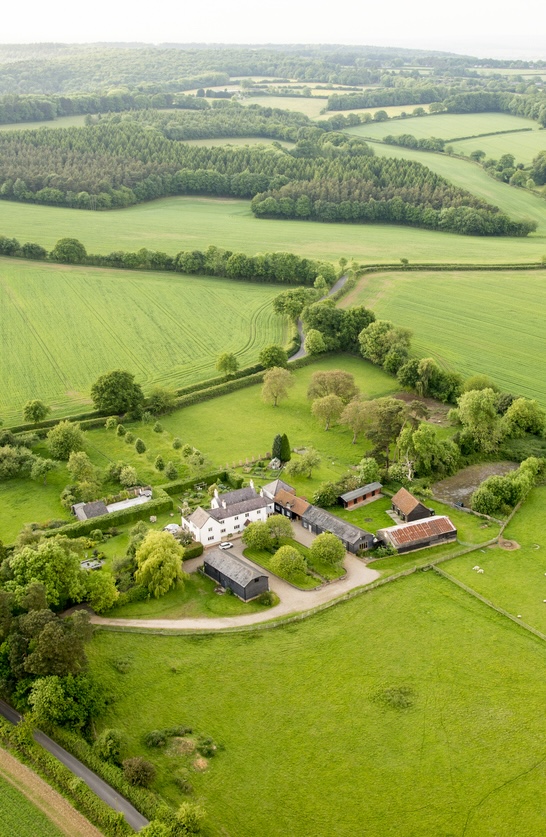
Taking a Realistic View of Rural Development
One of the recurring challenges within the planning system has been the application of urban-focused sustainability principles to genuinely rural locations. In simple terms, development not being granted planning permission because “it’s an unsustainable location” and “would be reliant upon the private car”. Well, yes, that describes most of the land area of England!
The simple reality is that rural communities operate differently. Private vehicle use is often unavoidable. Agricultural operations require space. Tourism and leisure uses frequently depend upon countryside settings to be successful- that’s their market driven point of being.
The planning system has long recognised the importance of sustainable rural growth and so we at Corylus see our job as making the case for positive developments that bring benefits to rural communities.
Why Corylus and Dudley Peverill Worked Together
At Corylus, we believe that well-designed development can successfully balance economic growth with environmental protection. Through careful planning, strong design and a collaborative approach, rural projects can enhance both business, communities and landscape quality.
Successful rural diversification projects require far more than a planning application. The most successful schemes begin with a clear understanding of the landholding, the business objectives and the long-term opportunities available across the estate. This can then be translated into a better understanding of the benefits and a wider appreciation of ‘sustainability’ in planning, so that local planning authorities can properly understand the context and reasons for development, and the benefits that it will bring.
This is where the collaboration between Corylus and Dudley Peverill can create added value for clients.
Dudley Peverill takes a strategic approach to farm and estate land management, focusing on identifying opportunities, unlocking potential and helping landowners develop coherent long-term strategies that maximise the value of their assets while responding to changing economic and environmental conditions.
Corylus provides support and collaboration specialist planning, landscape architecture and design expertise required to turn those ideas into deliverable projects.
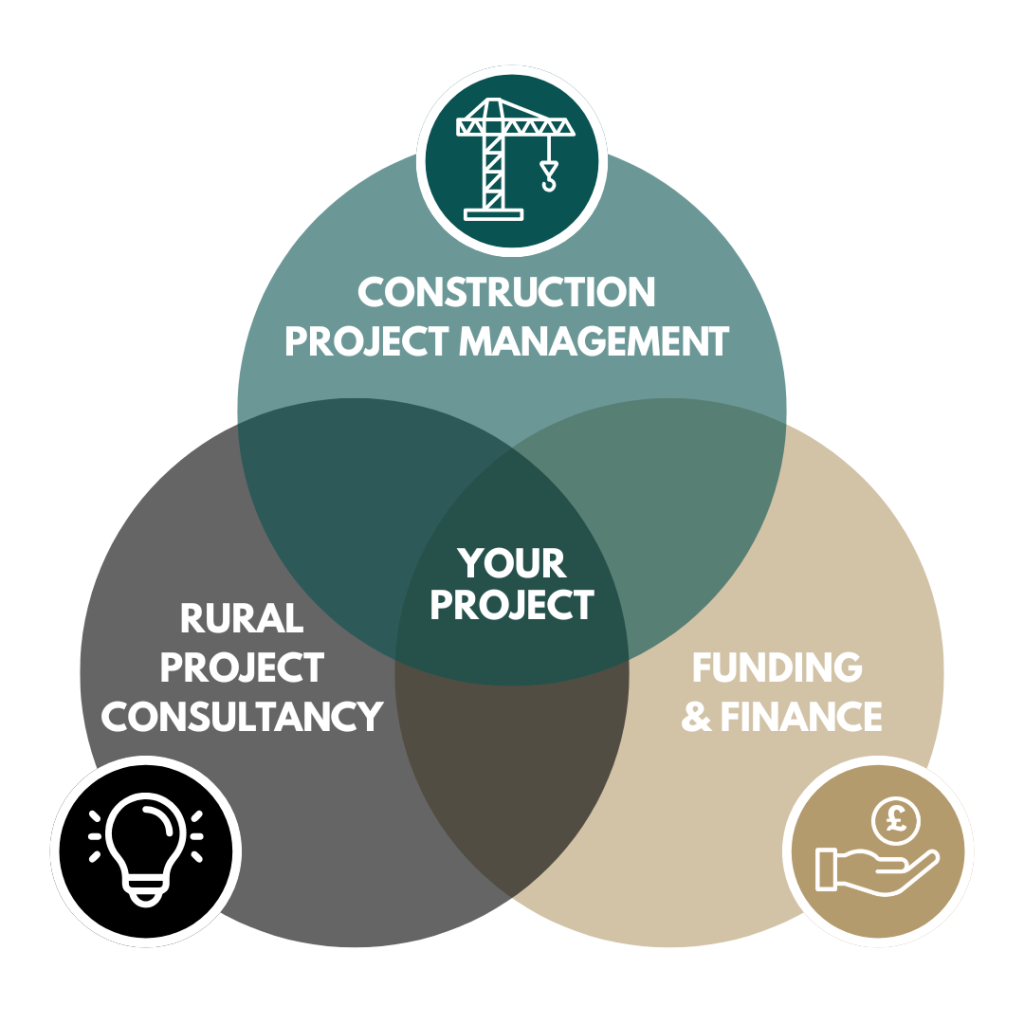
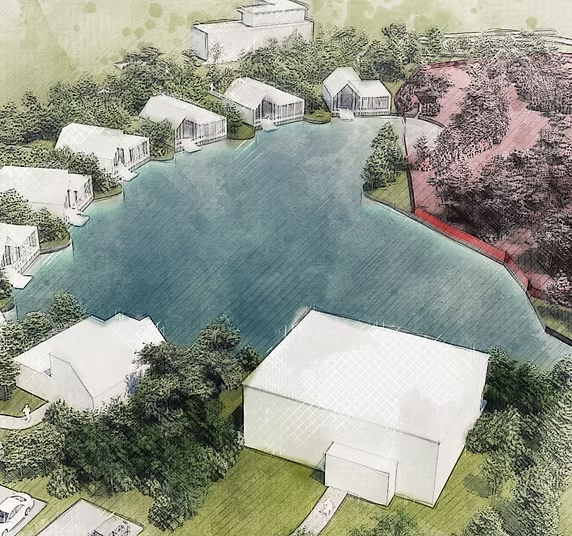
From Strategy to Delivery
By working together from the outset, Dudley Peverill and Corylus can evaluate opportunities from multiple perspectives simultaneously.
Dudley Peverill helps clients understand:
- Estate-wide opportunities and constraints
- Long-term asset management objectives
- Agricultural and commercial business strategies
- Land stewardship and environmental priorities
- Project viability and delivery pathways
Corylus provides:
- Planning strategy and policy advice
- Planning feasibility assessments
- Planning applications
- Landscape architecture and visual impact expertise
- Public consultation and political engagement with key stakeholders
This integrated approach helps ensure that diversification opportunities are not only commercially attractive but are also realistic, deliverable and capable of securing planning support.
By combining long-term land management thinking with practical planning and design expertise, we help landowners unlock opportunities that are commercially viable, environmentally responsible and capable of securing planning approval.
As the rural economy continues to evolve, this joined-up approach will become increasingly important. The future belongs to those landowners and businesses who can successfully align strategy, planning, landscape and development into a coherent vision for their land.
Looking Ahead
Get in touch with Dudley Peverill and Corylus to discuss your land, your ambitions and the opportunities available to you. Together, we provide strategic estate and farm diversification consultancy, planning expertise, landscape architecture and project delivery support, helping landowners turn ideas into successful, deliverable rural development projects.