

Rural diversification is rarely straightforward. Policy can shift between one local election and the next, and the planning system, particularly in sensitive locations, can feel as though it asks more questions every time you try to move forward.
In that environment, most rural businesses know they need options. What is less widely recognised is how to structure those options, so they genuinely protect you if things do not go to plan, or if the plan is constrained from the outset, and the conventional route looks high risk.
One of the most underused tools in that regard is the General Permitted Development Order (GPDO), particularly Class R and Class Q. Not only when they are utilised as a singular planning tool, but also as a fallback position to leverage, sitting quietly in the background.
Across many farms and estates, permitted development is often treated as a limited, standalone planning route. In certain circumstances that view is valid, and it remains a cheaper and quicker path to change of use consent. There is, however, another way to use it. Permitted development rights can be applied first to implement an initial change of use, establishing the principle of alternative uses on a site where constraints would otherwise reduce the likelihood of gaining full planning permission first time. With that baseline in place, a full planning application can then be pursued with a greater probability of achieving the desired outcome, which may extend to more comprehensive design interventions.
This shift in perspective on permitted development is subtle, but it can be commercially significant. It changes the position from all-or-nothing to something far more measured. If the larger scheme is approved, you move forward with it. If it is refused, you have not lost momentum entirely: you already hold something lawful and deliverable. In uncertain planning environments, that sense of control matters, and it gives an opportunity to sell the “betterment” narrative with the Local Planning Authority.
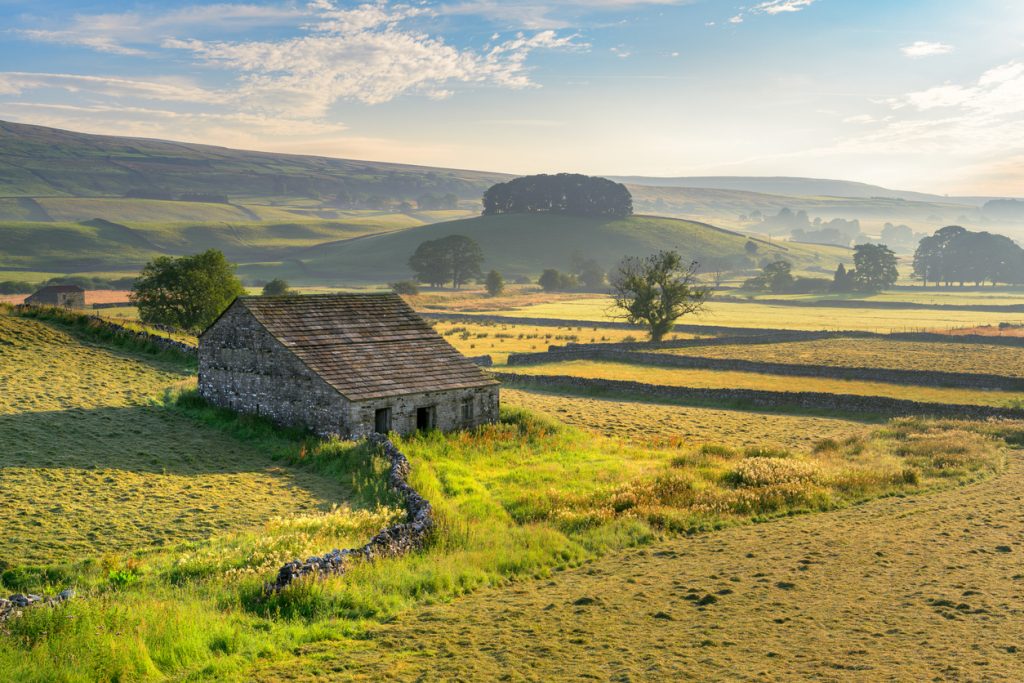
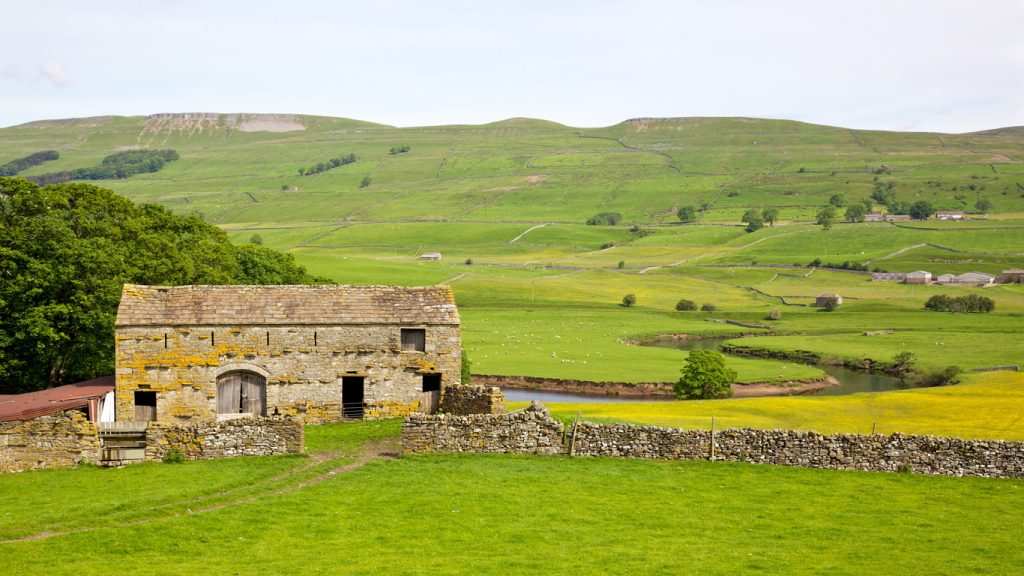
Permitted Development Rights
Permitted development rights under Parts 3 and 6 of the GPDO are not accidental. The agricultural rights are long-standing, and the more recently updated change of use rights extend the same policy logic: that rural buildings and agricultural businesses should be able to adapt over time without engaging the full weight of the planning system at every turn.
These rights are not interchangeable, and each does a particular job. Class Q permits the conversion of agricultural, and now former agricultural, buildings to dwellings. Class R allows a change of use to a flexible commercial use, spanning offices, shops, cafés, leisure and storage. Part 6, Class A (agricultural units >5ha) and Class B (agricultural units <5ha) support new agricultural buildings and extensions on the holding itself. The first two shift what a building is for, and it is that shift in use which establishes a new principle. Part 6 is different: it builds the agricultural asset rather than changing its purpose. This is often useful when attempting to liberate older agricultural buildings by provisioning new farm infrastructure.
None of them is unrestricted. Each carries its own conditions and area limits, and a prior approval process that the local planning authority must determine. But where a scheme sits within those parameters, the principle is already established or the building already secured, and either way the staged approach has its foothold.
Let’s see how this could work in reality.
It is easiest to see in practice, and the same logic holds for very different ends. Take two buildings on two holdings.
The first is a redundant barn, structurally sound but sitting within Flood Zone 3, which the owner wants to bring into use as visitor accommodation. A full application for that letting use is rarely straightforward. Overnight accommodation is a more vulnerable use for flood purposes, in the same bracket as housing, so the proposal must work through the sequential test, and where that cannot be satisfied, the exception test, each supported by a flood risk assessment and a mitigation strategy. The principle of development can fail before the merits of the scheme are reached, simply because a lower-risk site is held to be available elsewhere.
The second is a barn in open countryside, which the owner wants to turn into office space for a growing local business. Here the obstacle is different. New commercial development in an unsustainable rural location, and more acutely in the Green Belt, runs against the grain of planning policy, and a full application asks the authority to accept the principle of that development from a standing start. The work is real, the cost is committed early, and the outcome is uncertain.
Permitted development approaches both buildings differently, because in each case the principle of the new use is granted by the Order rather than argued for. Class Q permits the conversion of an agricultural building to a dwelling, and it carries the conversion works with it. Class R permits the change of use of an agricultural building to a flexible commercial use, including offices within Class E, though it grants the change of use only, with the building works following separately. On the flood-zone site the local authority still assesses flood risk and consults the Environment Agency, but the question is the narrower one of whether that particular building can be made safe, not whether a better site exists. In the countryside, Class R sidesteps the argument about the principle of new commercial development altogether. Neither right is unrestricted, and a building that does not qualify, or cannot be made safe, will still be refused, but the bar is materially lower than a full application has to clear.
Before any of this, though, a more basic question has to be answered, and answered before any planning work begins. Does the scheme pay? Permitted development structures risk; it does not create a return. A barn that does not stand up as a dwelling, or as lettable commercial space, is not improved by securing a fallback for it, and the appraisal that establishes build cost, end value, funding and operating return belongs at the very outset, not after fees have gone into drawings. That groundwork is a discipline in its own right, and a subject for a separate article. The point here is that the planning strategy which follows assumes it has already been done.
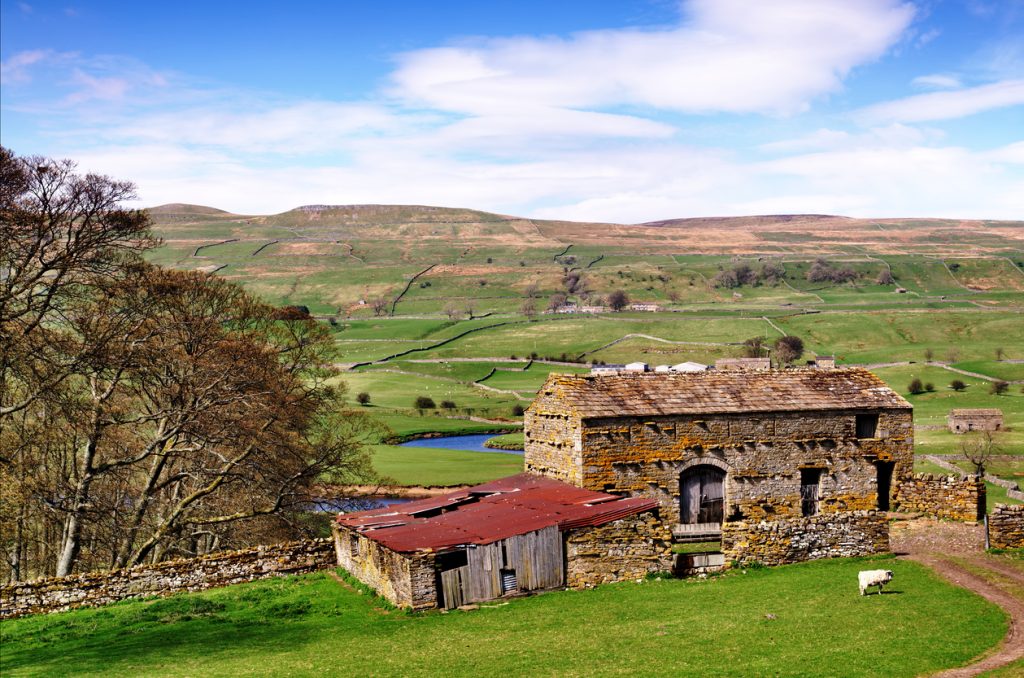
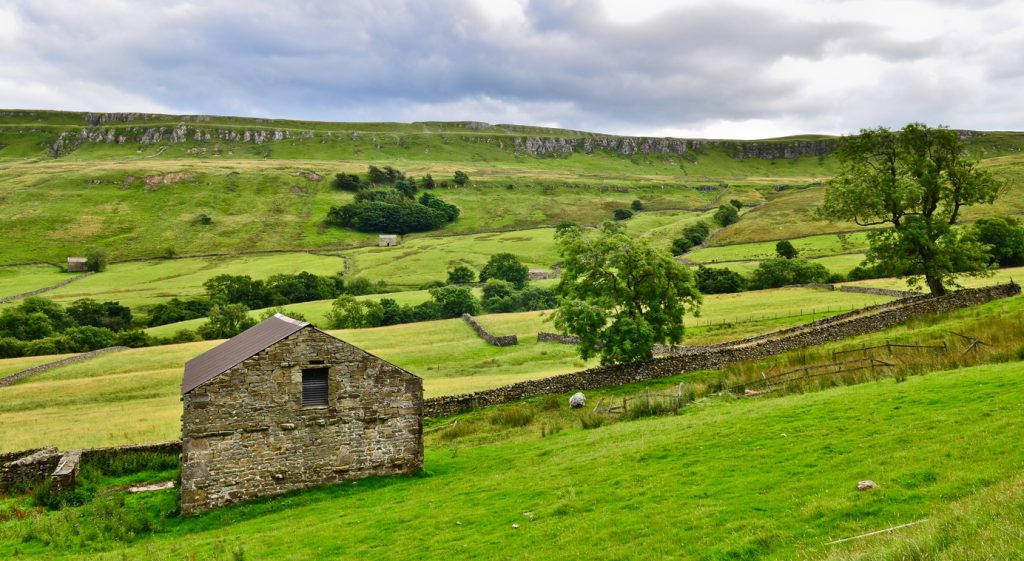
Project Structure
With the business case established, the project can be structured in layers rather than committed to in one move. The first step is to secure the fallback. A prior approval under Class Q or Class R fixes the principle of the new use, and on a constrained site it settles the awkward question, flood risk or the principle of development, on the terms the prior approval process sets rather than the full battleground of a planning application. Under Class Q that approval also delivers the dwelling; under Class R it establishes the commercial use, with the conversion works to follow. Either way, the reuse of the building is no longer in doubt. The second step is to pursue the ambition. A full application is then made for what the permitted development envelope does not reach: on the residential side, the holiday-letting use itself, which is a change of use in its own right, together with any larger or replacement dwelling beyond the Class Q limits; on the commercial side, a fuller scheme with the floorspace and facilities the business needs. Throughout, the permitted position stays live. If the full permission is granted, it is the route taken. If it is refused, the fallback remains, a lawful dwelling that can be sold or occupied, or a consented commercial use, to be implemented or built upon.
The result is not two schemes side by side. It is a different risk profile, and that is where the value sits.
Much of that value is in how it changes the decision itself. Without a fallback, a full application can feel like a high-stakes gamble, with significant professional fees committed at the outset and no assured return. With a fallback already secured, the same decision reads differently. A known and deliverable position is in place, the downside is capped, and a more ambitious scheme becomes easier to justify. The secured baseline also carries weight in the determination of the full application, because refusing it no longer prevents reuse of the building, only the fuller version of it.
It brings the same clarity to the conversations around a project. Instead of landowners, advisers and funders debating a single uncertain route, they are weighing two defined positions, a baseline and an uplift. Where a scheme depends on raising capital against a projected return, that distinction matters, and it is a far steadier place from which to make decisions.
None of this is about maximising development for its own sake, or about pushing a site beyond what is appropriate, or working around policy. It is about structuring a project sensibly, using tools that already exist, and not committing time and capital to a single path with no protection behind it. Across rural projects the cost of getting that structure wrong is routinely underestimated: time is lost, fees are sunk into schemes that do not proceed, and opportunities drift while the same decisions are revisited.
Used in this way, permitted development creates a defensible position. It is something the project can rely on, something that holds its value even if conditions change. It may not be the final vision for the site, but it anchors the scheme and gives it a degree of certainty that would otherwise be absent. In a planning landscape where certainty is in short supply, that is worth securing in its own right.
Choosing the Right Path
For many farms and estates, then, whether the goal is a new home or a new source of income, the opportunity lies not only in finding the right scheme, but in choosing the right path towards it. Often the quiet strength is in what you line up behind the main plan, rather than in the plan itself.
Need help deciding the best path forward? Please get in touch to start a conversation.