
Some opportunities do not need to be hunted for. They reveal themselves in the working relationships farms already have with businesses nearby. Here, a long‑running, practical connection between a family farm and a local food producer, originally centred around handling wastewater, created the space for a new idea to surface.
That existing connection made it natural to explore whether the farm’s slurry, simply part of the dairy process, could help the food producer ease the pressure of its significant 14 MW cooking heat load.
It is a reminder that promising opportunities often live in the overlap between two neighbouring problems, waiting for someone to look at them together.
How the Conversation Evolved
Both sides approached the discussion with curiosity rather than constraints, looking at the gaps between the two businesses for opportunities where both could flourish. That mindset made it easier to think creatively and spot possibilities that had been hiding in plain sight.
Could a farm‑based biomethane source help ease the food producer’s energy burden?
Could modular slurry capture systems, including mobile options already on the market, play a part?
These questions opened up the space to think more broadly. And importantly, they highlighted that opportunities do not need to arrive fully formed. Smaller, scalable systems can act as proof of concept, allowing a farm to start at a sensible size and only expand if the model proves itself. The modular designs being explored here could grow from initial low‑throughput units right through to configurations capable of handling up to eight tonnes per day as confidence builds and partnership deepens.
This stepwise approach makes the whole idea feel less risky and more manageable. Instead of committing to a finished vision on day one, both sides can test, learn and scale in a measured way — a far more comfortable path for farms balancing core operations with new opportunities.
Understanding What the Farm Could Actually Supply
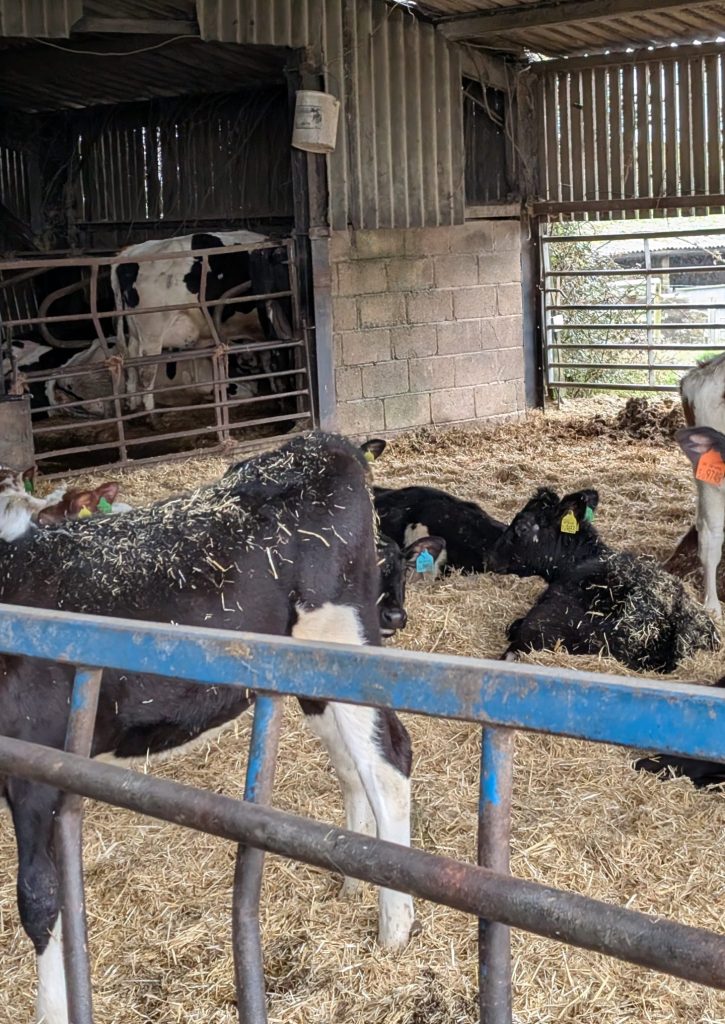
A practical look at slurry volumes followed. Nothing complicated. Just clarity on what the farm could genuinely provide if the idea progressed.
This step often proves decisive. Many projects drift because the assumed inputs do not match reality. Here, it set the foundations properly, giving both sides the confidence that the numbers were workable.
Exploring Technical Options in a Grounded Way
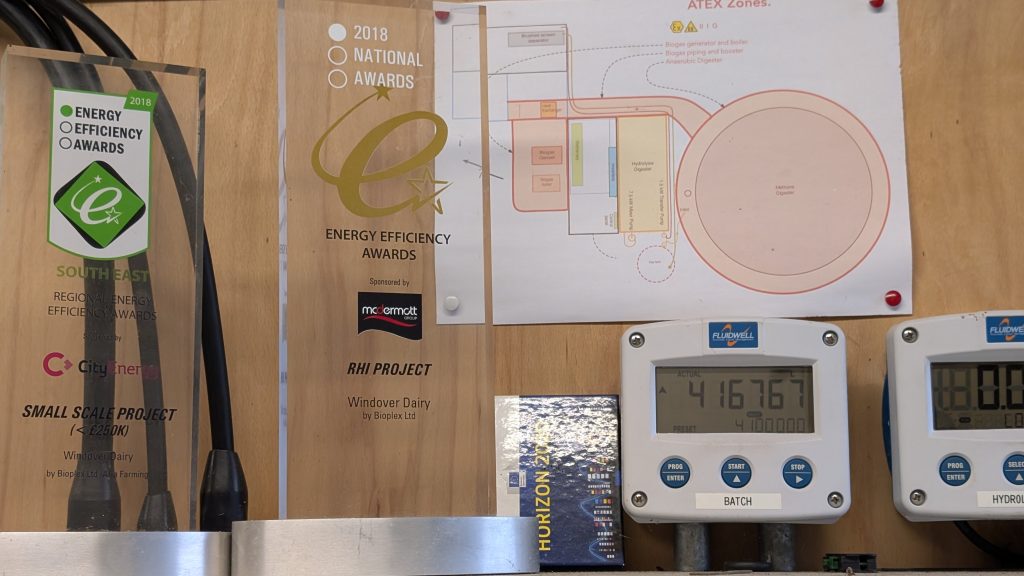
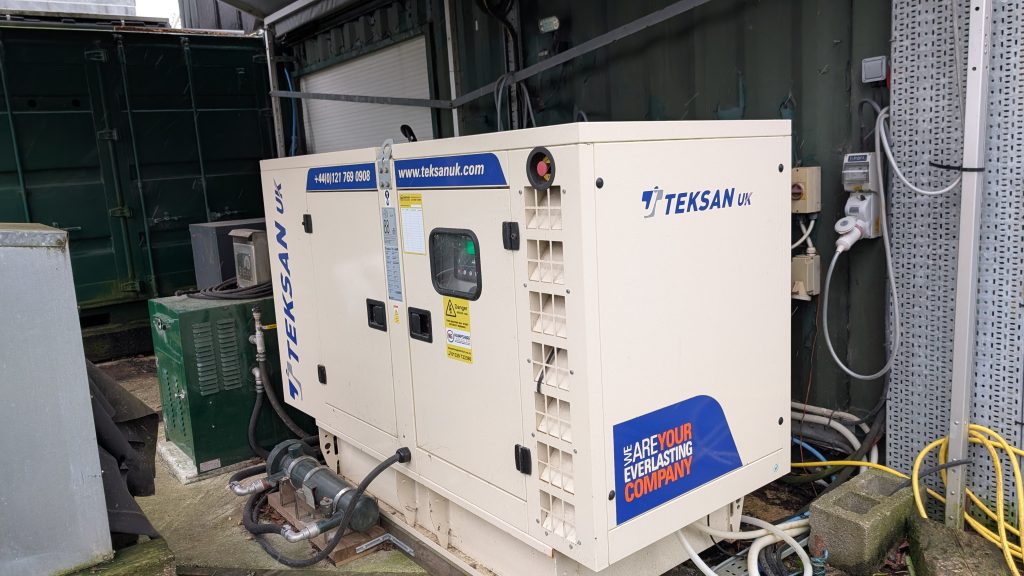
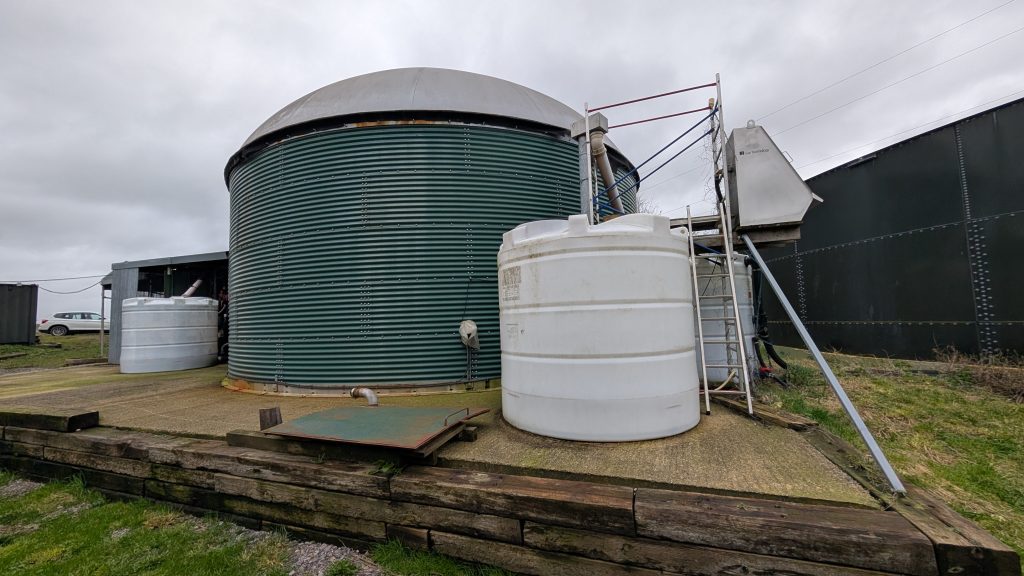
With scale understood, a range of possible digester and gas‑handling approaches could be viewed sensibly. Options included smaller systems with combined heat and power and larger slurry‑focused systems able to handle around eight tonnes a day.
The intention was not to choose a system but to understand which paths were realistically in play.
A key check was whether these feasibility tasks fall within the ADOPT grant’s eligibility. They do. ADOPT supports early‑stage exploration of innovative land‑based systems including anaerobic digestion, biomethane pathways, technical assessment,
This provides a structured and fair way to test the idea before capital is at risk.
Why the ADOPT Framework Helps Projects Like This
When a farm and a manufacturer explore something together, they need clarity, not pressure. ADOPT offers a framework that supports feasibility, engineering appraisal, planning considerations and commercial testing.
It is a calm way to understand the opportunity fully. It limits costly missteps and helps both sides see the route ahead clearly rather than guess their way into a commitment.
A Practical Lesson for Other Farms
There is a wider message in all of this. Some of the best diversification opportunities appear when farms notice the practical gaps around them and realise they are in a rare position to help fill them.
That is what creates a defendable position. Not through grand gestures, but through something far more familiar to anyone working the land. Think of it like a long, shallow ridgeline that quietly shapes the way everything moves around it. A feature that gives you a natural advantage simply because of where you stand.
For a farm, that advantage might come from reliable dairy by‑products, location, infrastructure, relationships or simply being the neighbour who can stitch two challenges together into a shared opportunity.
These strengths are difficult for others to copy, and that is precisely what makes them valuable.
When you build on them, opportunities do not need to be forced. They tend to show themselves.
Disclaimer: This article is for general information only and does not constitute tax or legal advice. Specialist advice should always be sought for individual circumstances.