
From April 2026, the rules around Inheritance Tax (IHT) relief for farmers and business owners will change in a meaningful way. The government has confirmed that the threshold at which 100% Agricultural Property Relief (APR) and Business Property Relief (BPR) applies will increase from £1 million to £2.5 million per estate, with the allowance transferable between spouses or civil partners, potentially allowing up to £5 million of qualifying assets to pass tax free rms, this has been presented as welcome breathing space. And for a significant proportion, it will be. But as with most tax reforms, the headline masks a more complex reality, particularly for farms considering diversification, property development, or generational change.
This is not a blog about panic. It is a blog about asking better questions.
The relief has increased, but so has scrutiny
APR and BPR remain powerful tools. But they are not automatic, unlimited, or immune from challenge. HMRC has been increasingly clear that reliefs are there to support trading businesses, not passive investment structures dressed up as farming.
As outlined in recent HMRC guidance and commentary, the uplift in relief thresholds is accompanied by a continued focus on:
- whether a business is genuinely trading,
- who owns the assets versus who controls and benefits from them,
- and whether diversification activity supports or undermines relief claims .
This matters becasification routes farmers are exploring involve property. And property, handled incorrectly, has a habit of changing the tax profile of a business.

The first uncomfortable truth: development increases value, and value creates exposure
Securing planning permission is often transformational. A redundant concrete framed building, once consented, can shift from low agricultural value to high commercial or residential value almost overnight.
That uplift is real. And it does not go unnoticed.
In IHT terms, increasing asset value can push an estate closer to, or beyond, even the new £2.5 million threshold. In parallel, the nature of the income generated may shift away from agricultural trading and towards investment, particularly where property is let on long leases or managed at arm’s length.
In other words, diversification done well commercially can still be problematic if done poorly from a structural and succession perspective.
Trading versus investment: a line that matters more than many realise
One of the most common mistakes we see is assuming that “diversification” automatically qualifies as a trading activity. It does not.
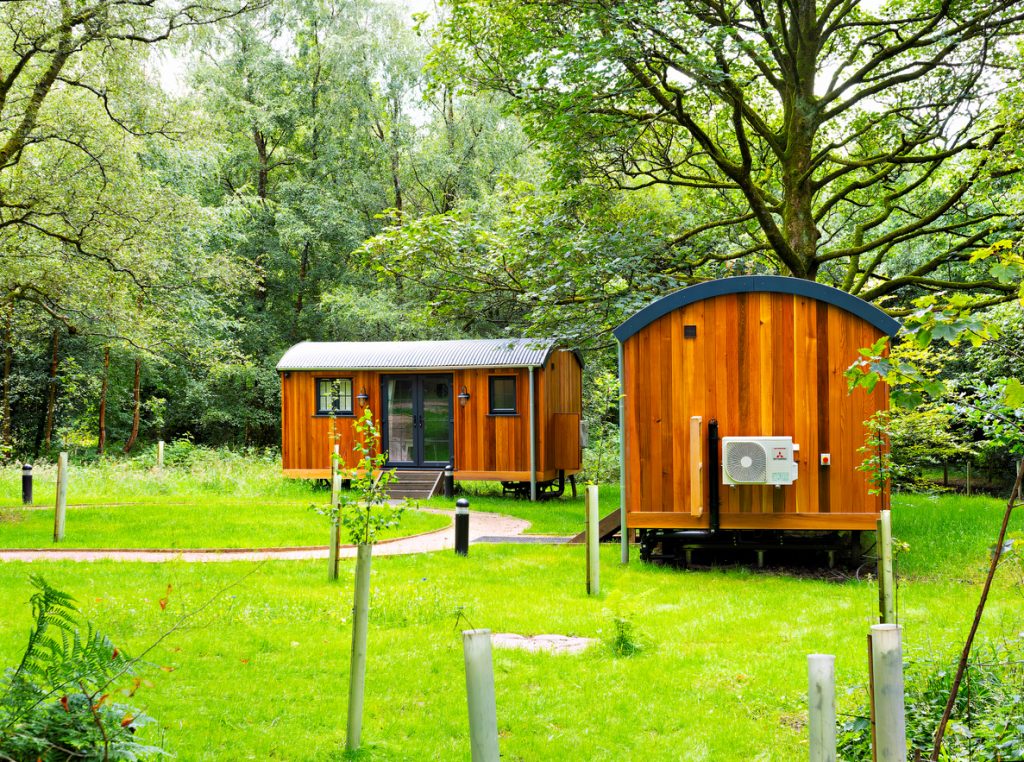
A farm shop, holiday lets, commercial units, or storage facilities can sit on either side of the trading-investment line depending on how they are structured, operated, and integrated into the wider business.
HMRC has become increasingly willing to look beyond labels and into substance. Partnership agreements, management time, risk exposure, and income mix all matter. A business drifting too far towards passive rental income may find that BPR becomes restricted or unavailable altogether.
This is not an argument against diversification. It is an argument for designing it deliberately.
The succession question nobody wants to ask, but everyone should
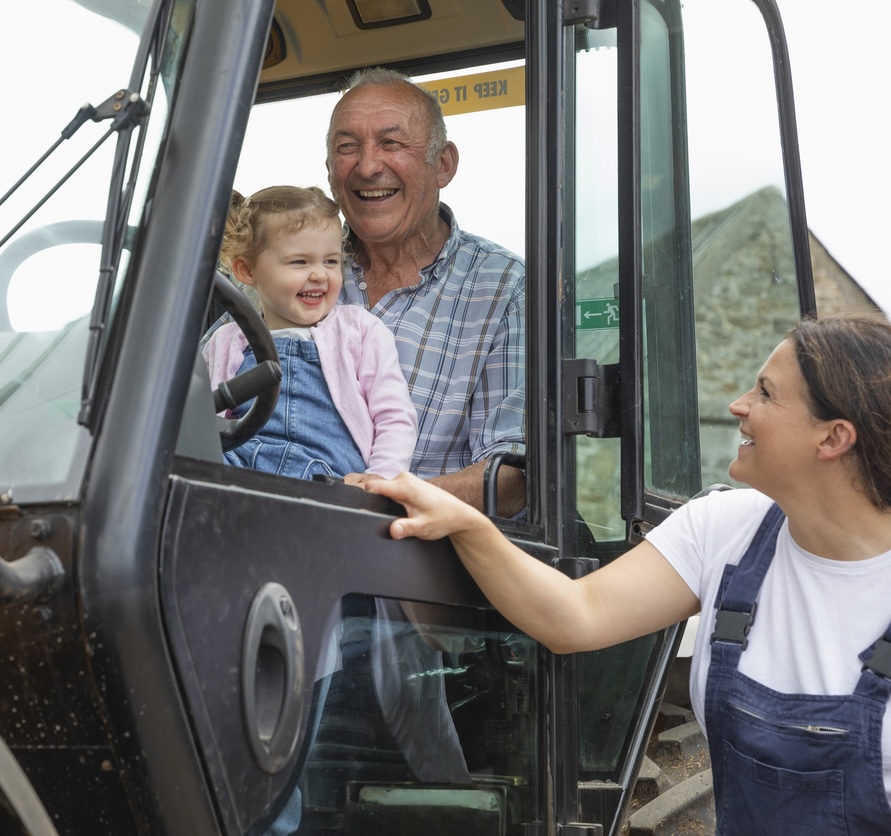
Many diversification projects are motivated by the next generation. A son or daughter returning to the farm. New skills. New energy. New ideas.
But this raises a critical question: who is raising the capital, and who owns the asset?
When parents fund development yet fail to retain sufficient control or income, their financial security can quickly erode. Handing ownership to the next generation without careful planning may also restrict access to reliefs or reduce future flexibility. Introducing external finance without clear ownership and governance arrangements can leave the family exposed on several fronts. Added to this, changes in the next generation’s personal circumstances — such as divorce — can have serious repercussions, potentially resulting in a significant portion of the business or its assets being lost in a settlement.
Succession is not just about fairness. It is about resilience, control, and clarity.
Why “doing nothing” is rarely neutral
One of the most persistent myths in farming is that standing still is the safe option. In reality, inertia carries its own risks.
Idle buildings leak value. Poorly structured development leaks tax efficiency. Delayed decisions often result in rushed ones, made under pressure from policy change, ill health, or family disagreement.
The question is not “should we diversify?”
It is “what happens if we don’t, and what does that cost us over time?”
Planning early is not about tax avoidance, it is about optionality
The most robust farm businesses we work with do not chase reliefs. They build structures that make sense commercially, operationally, and to the family. Tax efficiency then follows.
Early planning allows:
- assets to be held in the right place,
- trading status to be protected,
- development to be phased sensibly,
- and the next generation to step in without destabilising the whole business.
Waiting for another policy change, or a future government, is rarely a strategy. In many cases, the timelines involved are similar to acting now with clarity and letting existing rules work as intended.
A final thought
Diversification can be transformative. But it is not just a design or planning exercise. It is a strategic decision that touches tax, succession, governance, and family dynamics.
The increase in IHT relief thresholds will help many farms. It will not solve poor structure, unclear ownership, or accidental investment businesses.
The farms that emerge strongest from this next phase will be those that are willing to challenge their own assumptions before HMRC does.
If you are considering development, diversification, or generational change, the right starting point is not a building. It is a conversation about structure, intent, and long-term control.
At Dudley Peverill Associates, we work with landowners to ask those questions early, while the answers are still flexible.
If you would like to explore what this means for your farm or estate, we would be pleased to help.
Disclaimer: This article is for general information only and does not constitute tax or legal advice. Specialist advice should always be sought for individual circumstances.