

By Dawn Woollam | Hospitality & Tourism Development Consultant | March 2026
Every year, the same moment arrives. Families start searching, schools send newsletters home, and the algorithms surface lambs, willow wreaths and painted eggs. The gap between supermarket launch (now during advent…) and family Easter-break planning is narrowing – and for rural estates and farm businesses, that means one thing: an extraordinary commercial window. If you weren’t ready for it this Easter, now is the time to start planning for 2027. There is no better way than to get out to some Easter events and see for yourself what is working, and what isn’t.
Having spent years working with landowners, farm diversification projects and rural hospitality businesses across the UK, I can say with confidence that Easter has become one of the most commercially significant moments in the rural leisure calendar – and it is only growing. But the opportunity has also become more complex, more competitive, and if approached without care, more costly.
Seasonal Events Matter More Than Ever
To understand why Easter matters so much right now, you need to understand what is happening in the family leisure market. The expansion of government-funded early-years childcare – now covering up to 30 hours a week for children from nine months old – has fundamentally changed the rhythm of family life. Parents who previously spread leisure across the week are now squeezing it into weekends and school holidays. Demand for high-quality, experience-led days out has been compressed into exactly the windows rural businesses are best placed to serve.
Families are not just looking for something to do. They are actively seeking experiences worth the investment of limited time and budget – moments their children will actually feel as they emerge from winter, grappling for fresh air and vitamin D. A working farm, a heritage estate, a landscape with a story: rural businesses have an almost unfair advantage in delivering this. Seasonal events are no longer a nice addition to the mix and for many estates and farms, they are one of the most reliable drivers of income, profile and future visitor loyalty.

The Breadth of What Easter Can Be
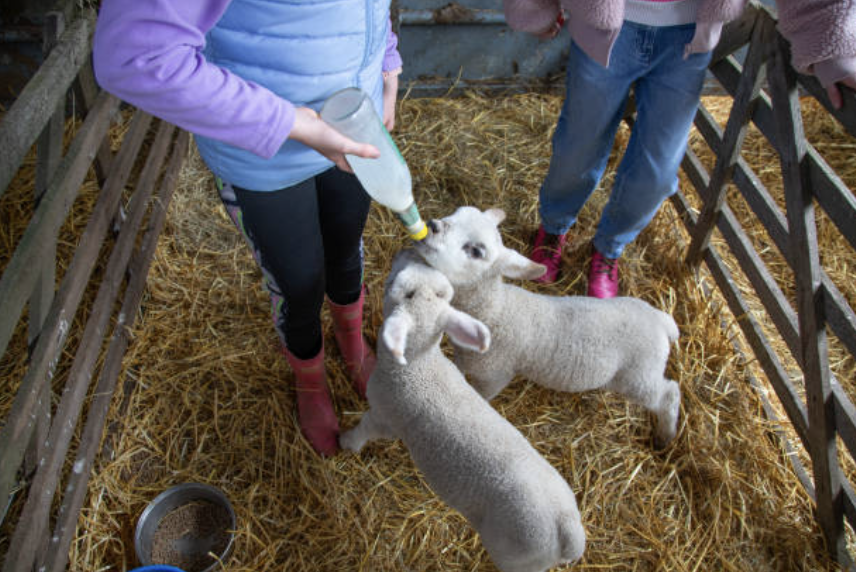
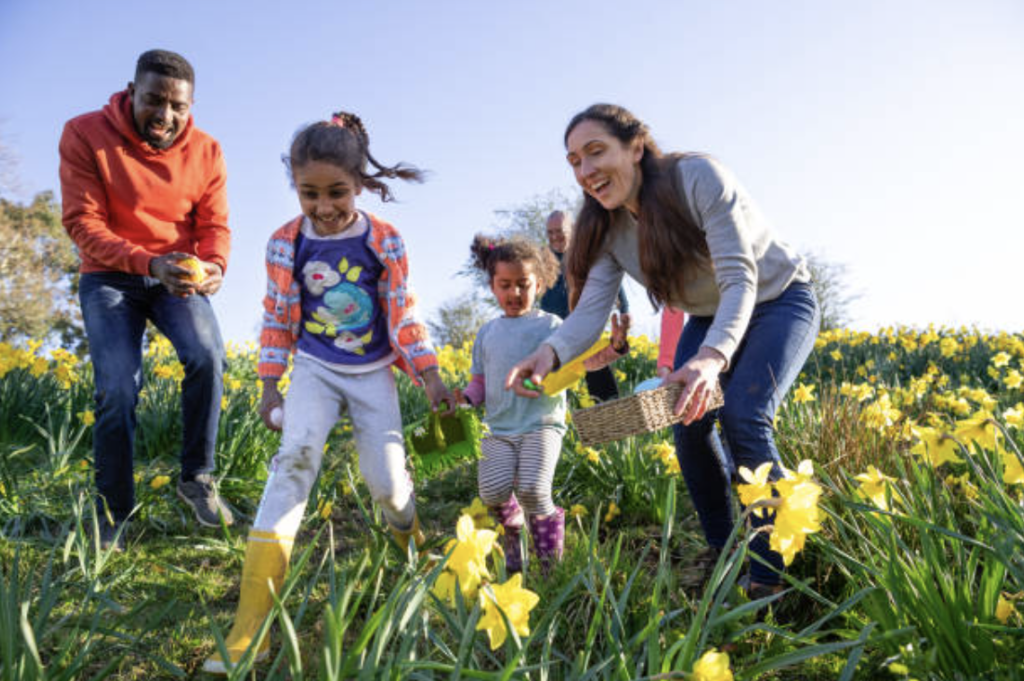
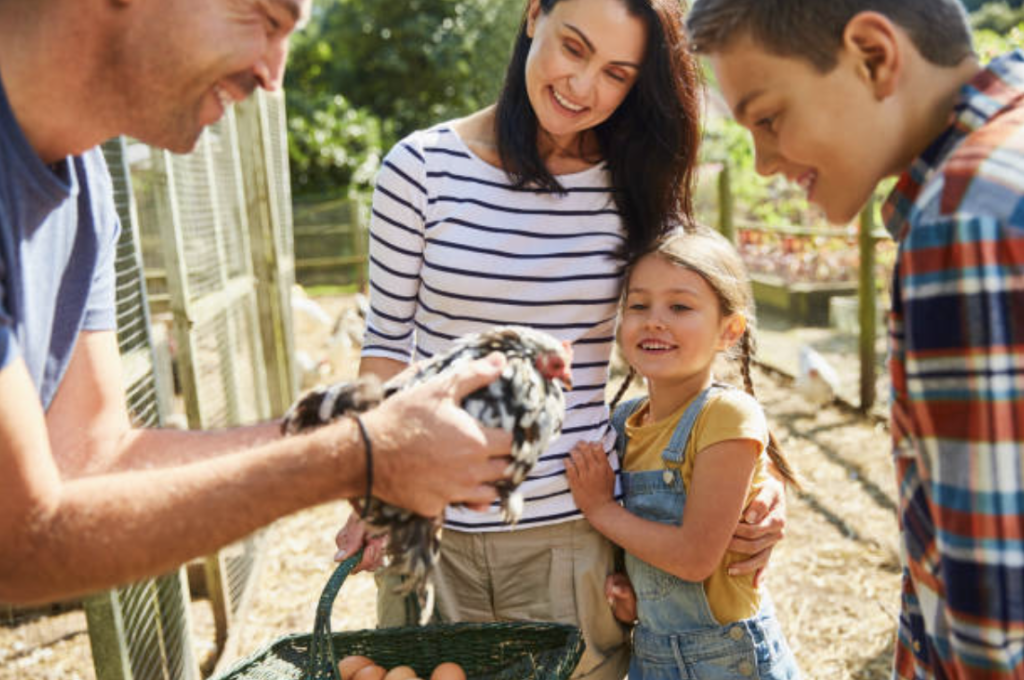
Unlike Christmas, which carries strong cultural expectations, Easter is genuinely elastic. A well-designed programme can blend traditional and experiential elements: egg hunts and scavenger trails with seasonal theming alongside farming spectacles like lambing, chick hatching and animal contact. Layer in live music, craft stalls, local food producers and artisan markets, and you have something with broad demographic reach.
Alongside these community-driven elements, there is clear opportunity for curated, premium experiences – guided nature trails, meet-the-gardener sessions, foraging, floristry, seasonal dining – running in parallel with dedicated children’s activities. At the accommodation end, glamping and farm stay packages extend dwell time, limit requirements for high-volume experiences and significantly increase revenue per visitor.
The format you choose should be driven by three things: your assets, your audience and your operational capacity. There is no single right answer, but there is certainly a wrong one – trying to be everything to everyone without the infrastructure to support it.
Profile, Income and Risk
When working with landowners on event strategy, the first conversation is always the same: what do you actually want to get out of this? Easter events can deliver across three distinct dimensions.
Profile and visibility are real. A well-executed event puts your property in front of thousands of families who may never have known you existed. The halo effect – social sharing, local press, Google reviews, word-of-mouth – pays dividends across your accommodation, wedding venue, farm shop or any other enterprise on site. I have seen farms generate a year’s worth of newsletter sign-ups in a single Easter weekend.
Income, done well, is genuinely lucrative – but the ticket price rarely tells the full commercial story. The real margin is often in the ancillary spend: the café queue, the farm shop impulse buy, the add-on experience booked on the day, the accommodation package that sold out in February.
And then there is risk, which is the dimension most often underestimated. Event delivery is operationally demanding. It requires staffing, contingency planning, public liability insurance and the ability to absorb a bad weather day without catastrophic financial consequence. The businesses I see struggle are almost always those who treated the upside as certain and the risk as theoretical.
The Art of the Compound Day Out
The most successful rural event businesses understand something important: visitors do not want a transaction. They want to escape the everyday, balance the rigour of life with some joy, and bring friends and family along for the ride. The more reasons you give people to stay, spend and return, the better your commercial outcome.
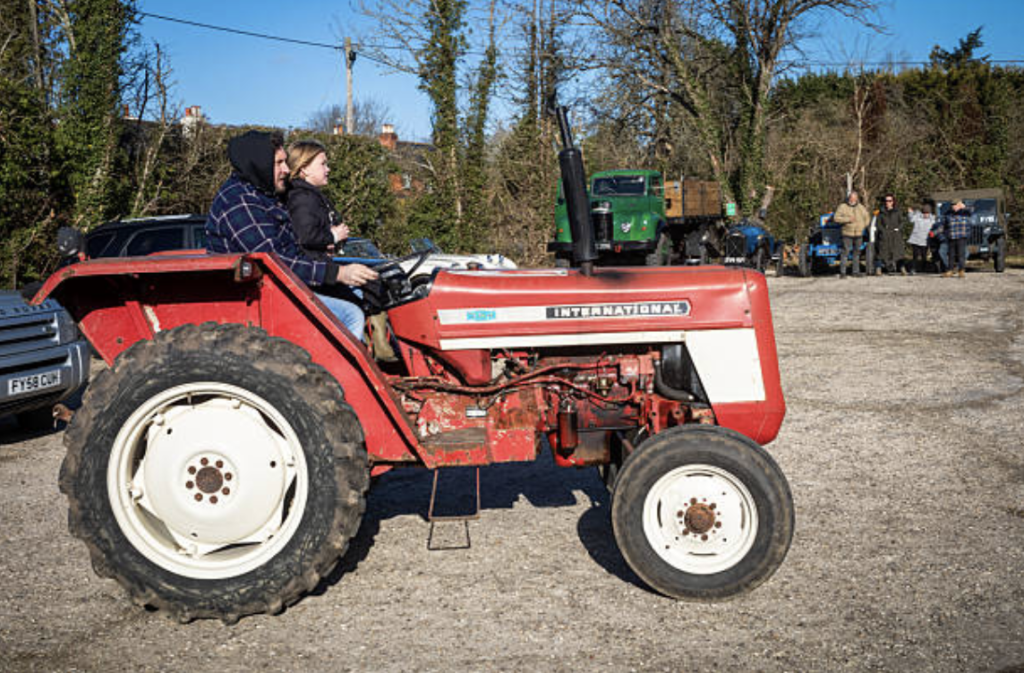
Think about stacking your enterprises deliberately. Accommodation packages combining event tickets with glamping mean families who stay overnight spend significantly more and are far more forgiving of weather. Food and drink is non-negotiable expectation, and visitors who eat on-site report higher satisfaction and are more likely to return. Paid add-ons – pony rides, tractor experiences, wreath-making workshops – should be priced separately and sold in advance. Make sure your retail offer is stocked, staffed and visible from the event footprint, because Easter is a strong gifting and food shopping moment. And consider offering a professional photographer for family portraits in the barn, among the lambs, against the blossom – larger groups gather at seasonal events, a photograph of everyone together is a scarcity, and the content is priceless for your marketing.
The goal is not to overwhelm your visitor; it is to deliver value. It is to ensure that every hard-earned pound they were going to spend on a day out is spent with you.
Access Alone Is No Longer Enough
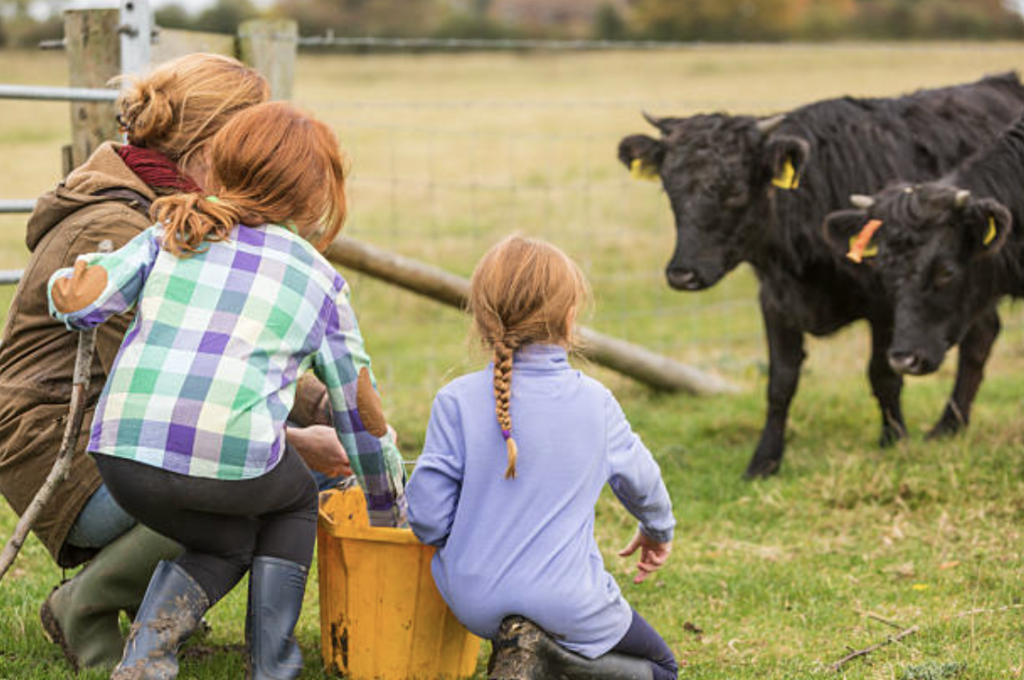
There is still an assumption, in some quarters, that the farm itself is the attraction – that simply opening the gate is sufficient. It is not. Not anymore.
The rural experience market has matured enormously in the past decade. Families now compare your Easter offering to Chatsworth, to Tulley’s, to the farm down the road with a thousand five-star reviews last spring. They arrive with expectations shaped by the best experiences they have ever had. Intimacy and authenticity are genuine competitive advantages for smaller operations – but you need to think carefully about the experience journey from the moment someone lands on your website to the moment they leave your car park. The signage, the welcome, the flow of the day, the quality of the facilities, the attitude of your team: these are not peripheral concerns. They are the product. And the small, intimate moments that large operators simply cannot provide at volume? Those are gold dust.
Getting the Operational Detail Right
No honest account of Easter events is complete without addressing the groundwork required. It’s not the sexiest of discussion points, but planning for the invisible bits ensures an easier, and more enjoyable event for everyone involved.
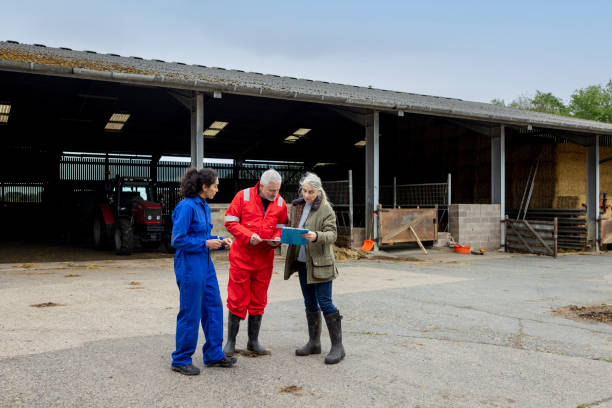
Safety underpins everything. A thorough risk assessment covering crowd flow, water features, farm machinery, livestock areas and uneven ground is essential, as is public liability insurance – your insurer should be informed of your plans in advance. Wherever possible, build governance separation between agricultural activity and consumer-facing enterprises.
An additional complexity in the rural setting – biosecurity, is non-negotiable if your event involves animal contact. DEFRA and APHA guidance on handwashing facilities, signage and supervision exists for good reason. E. coli incidents at farm open days are rare, but have caused serious harm and lasting reputational damage. Get this right before you worry about anything else.
Timed entry ticketing can be your best friend for crowd management. It controls flow, manages the experience and prevents queues – including down country lanes. Decide your maximum comfortable capacity per session and sell to that. Overselling to capture more revenue is a false economy; the reviews that follow will cost you far more.
Never underestimate parking. A 400-ticket event can generate 150 to 200 car movements in a short window. Adequate, clearly signed, ideally stewarded parking is essential – as is a conversation with your local highways authority and, if you are on a rural road, your neighbours and the parish council.
Plan for rain and hope for sunshine. Covered queuing and activity areas, surfaces that do not turn to mud, and a clear communication plan for deteriorating conditions are not optional extras in the UK in April.
Finally, never underestimate toilet provision. Families with young children will leave a review specifically about this, even a 5* experience will get a 1* review if their lasting memory of the day out with little Joey is ‘the grotty bog’ – taken from an actual review! A rough guide: one toilet per 50 visitors per session, with additional provision for families with prams and visitors with disabilities, close to the entrance and food outlets.
Pricing Strategy and Planning Permission
Two further areas that catch rural businesses out more than almost anything else.
On pricing, there are broadly two viable models. High volume with accessible pricing that lean into maximum capacity, and broad demographic appeal with income depending largely on ancillary spend and volume, with significant operational infrastructure, or lower volume with premium pricing. This tends to be more attainable for start-ups competing in a competitive marketplace, offering strictly limited capacity, and premium presentation. This model is more forgiving operationally, generates stronger reviews and suits smaller or more intimate venues – but be warned, value perception is still a key gauge of experience quality, and although the price-point is high, so are expectations. Neither is inherently superior, but mixing both without clarity is a recipe for confusion. Know what you are, and communicate it consistently.
Planning is where many rural businesses get caught out. Whether your event requires permission depends on the number of event days per year, the permanence of any structures, the scale of the event and whether it represents a material change of use. Occasional events using temporary structures on agricultural land may fall within permitted development – but this is not universal, and the consequences of proceeding without appropriate consent can be severe. Take advice before you proceed, particularly if you intend to run multiple events or erect any fixed infrastructure – we can help with this too.


Marketing: Being Found and Being Chosen
Even the most beautifully conceived Easter event will underperform if people do not know about it. Social media campaigns are a dark art with an ever-evolving algorithm. My honest advice: find someone good. Specialists in experience marketing – companies such as Agility Marketing – know how to work the SEO, paid ads and audience targeting within your drive-time catchment. Give them as much behind-the-scenes content, newborn animal footage and wholesome outdoor family imagery as they can handle and let them do their work. Those who invest in professional marketing reap the rewards.
Once people are on site, capture their email addresses through the booking platform, competitions or feedback forms. Building a database is a small step towards building a genuine community of supporters.
A Final Thought
Easter is a remarkable creative and commercial opportunity. The demand is real, the audience is motivated, and your land, your animals and your story are things no urban competitor can replicate. But the gap between a profitable, well-reviewed event and a stressful, costly one is almost always in the planning.
The farms and estates that succeed consistently treat events as a business discipline, not just an idea, growing each year from start-up to maturity. They plan early, they understand their numbers on both sides of the ledger, they invest in the visitor experience end to end, and they are honest with themselves about capacity and risk. They also know when to ask for help.
If you are thinking about Easter events for the first time, or looking to develop what you already offer, I would be very happy to have a conversation – whether that is a strategic review, a feasibility assessment, or hands-on support with planning and delivery. This is exactly the kind of work we do, and exactly the kind of outcome I love to be part of. Get in touch with us here.
Disclaimer: This article is for general information only and does not constitute tax or legal advice. Specialist advice should always be sought for individual circumstances.