

Just before Christmas (2025), Government published a consultation on proposed reforms to the National Planning Policy Framework (NPPF), alongside draft policy wording.
At face value, this can feel like another policy update in a busy cycle of planning reform. In practice, the draft is more meaningful for rural businesses than it might first appear. It signals a stronger national emphasis on what keeps the working countryside functioning, including modernising food production, improving animal welfare, supporting rural enterprise, and enabling the energy and water infrastructure that rural projects increasingly depend on.
For landowners and farmers, the question is not whether the planning system will suddenly become straightforward. It will not. The question is whether the national direction of travel is becoming clearer and strengthening national policy support for rural diversification, where proposals meet policy requirements.
Whilst the consultation covers many areas of the NPPF, our focus is specific. We are interested in what these proposed changes might mean for rural businesses, farms and landowners when they are trying to deliver projects, secure consents, and diversify income. That includes operational farm infrastructure, building change of use and redevelopment, rural workspace, tourism, energy generation, water resilience, and worker accommodation.
The consultation applies to England only and runs from 16th December 2025 to 11:45 pm 10th March 2026.
What follows is our view of the policies that matter most to real rural projects and what to keep an eye on after the consultation closes. It is notable, however, that nothing will change until the updated, final NPPF is published, which could have further policy wording amendments.
The decision-making shift that sits behind everything
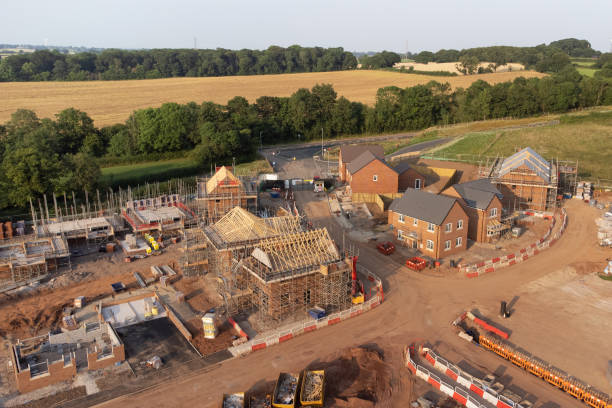
The consultation document includes a specific section on decision-making policies and how Government wants the revised framework to have a clearer effect on day-to-day determinations, particularly where local plans have not yet caught up.
That intent is then translated into an explicit implementation mechanism in the draft NPPF. The draft Framework’s Annex A: Implementation proposes that development, local, and neighbourhood plan policies that are inconsistent with the national decision-making policies should be given very limited weight in decision-making.
If adopted, we believe this to be relevant to rural projects, as planning outcomes can vary sharply between districts, even where proposal types are similar. That variance often comes from differences in how Local Plan policies are worded, interpreted, and applied. The combination of the consultation’s decision-making section and Annex A is, in effect, testing a mechanism to reduce that drift by giving the national decision-taking policies more immediate force.
E2 and E4: a clearer national route for farm modernisation and diversification
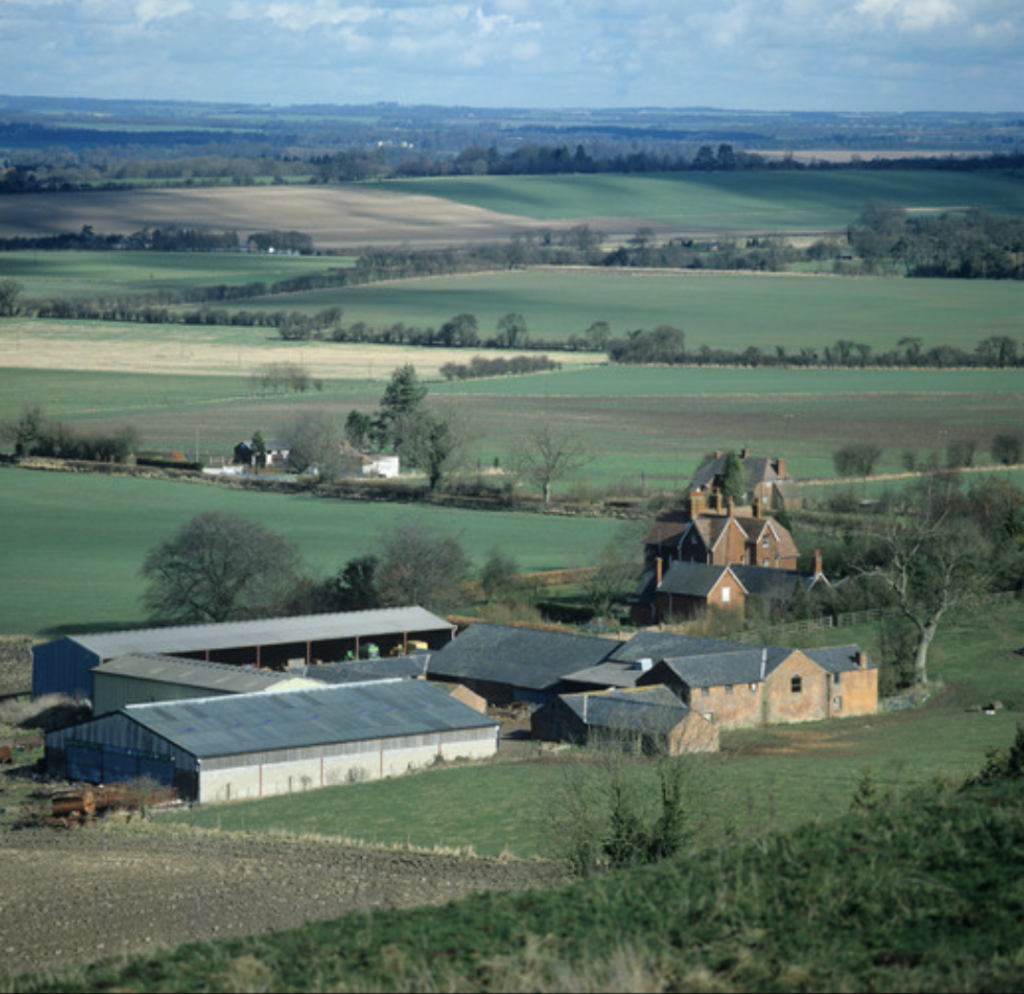
Draft NPPF E2 (“Meeting the need for business land and premises”) includes an instruction that substantial weight should be given to specified benefits. For rural businesses, the key line is the explicit inclusion of benefits for domestic food production, animal welfare and the environment, evidenced through proposals for farm and agricultural modernisation (draft NPPF E2).
Draft NPPF E4 (“Rural business development”) supports rural business growth and diversification and lists examples that map closely to common farm and estate projects, including livestock housing, on-farm reservoirs, greenhouses or polytunnels, farm shops, and temporary seasonal worker accommodation that is ancillary and not for permanent occupation (draft NPPF E4).
W3 and W4: renewables, repowering, community-led schemes and water resilience
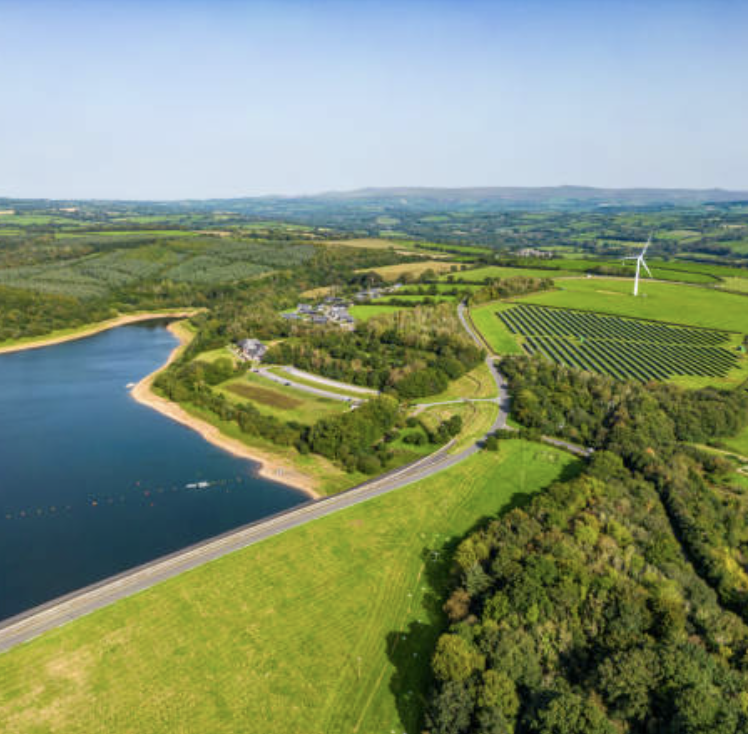
The consultation introduces a dedicated chapter on clean energy and water and explains that it brings together renewables policy and new policies on water and electricity infrastructure (consultation paper, Chapter 10, PDF p.60).
Draft NPPF W3 directs decision-makers to give substantial weight to the benefits of renewable and low-carbon energy and recognises repowering and life extension of existing sites, as well as small-scale and community-led schemes (draft NPPF W3).
It also states applicants should not be required to demonstrate need and includes an expectation on decommissioning for time-limited schemes.
Draft NPPF W4 gives substantial weight to benefits, including improving capacity and security of supply for existing users, explicitly including agricultural users, and states applicants should not be required to demonstrate the need for water infrastructure development (draft NPPF W4),
These policies, if implemented, could potentially afford rural businesses clearer national policy support, subject to impacts and constraints, for acquiring permissions for renewable energy schemes (i.e., rooftop solar and battery storage) and water infrastructure.
HO11 and HE6: succession, rural worker dwellings, and reuse of listed buildings
Draft NPPF HO11 (“Isolated homes in the countryside”) includes the rural worker route where there is an essential need for a rural worker, including those taking majority control of a farm business, to live permanently at or near their place of work (draft NPPF HO11, PDF p.38).
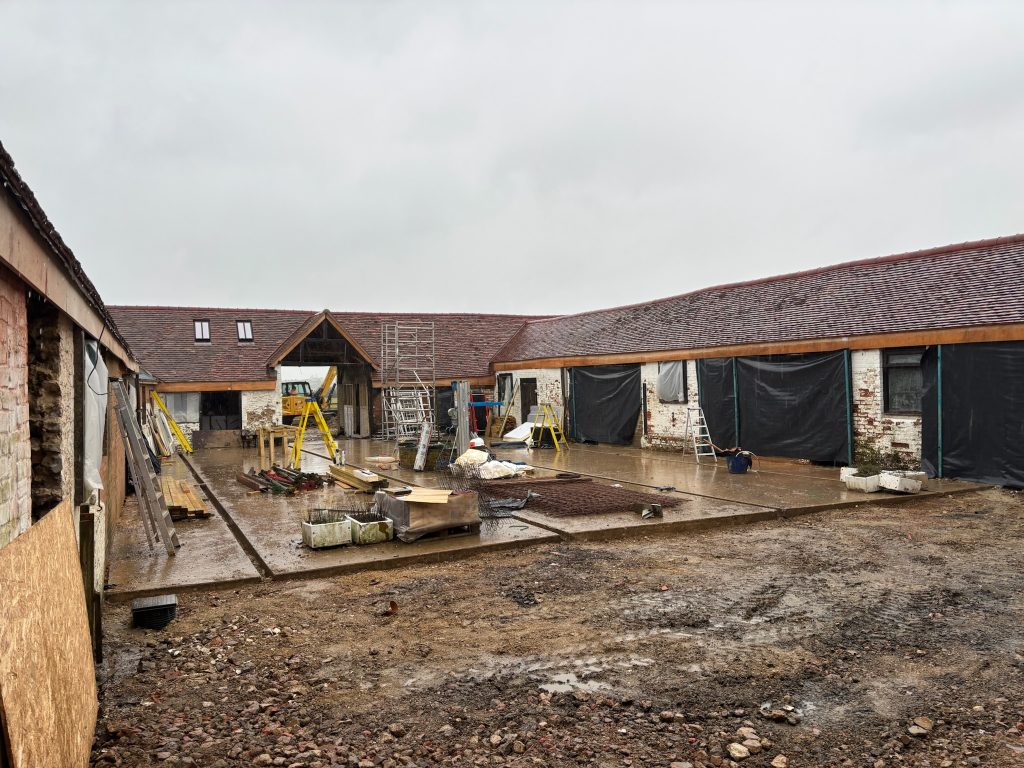
HO11 also includes re-use of redundant or disused buildings and specifically references securing the long-term reuse of a vacant or underused listed building, with the balancing exercise to be undertaken as in HE6.
Draft NPPF HE6 includes that public benefits can include the long-term re-use of vacant or underused listed buildings, and enabling energy efficiency and low-carbon heating measures.
The consultation paper explains that HE6 is intended to clarify decision-making and support bringing underused buildings back into use. It indicates an intention to remove the concept of ‘optimum viable use’, to allow greater flexibility where harm is not substantial. In practical terms, this reinforces a straightforward proposition for rural estates: where a sensitive reuse scheme secures repair, long-term occupation and a viable future for a listed building, those public benefits should be clearly set out and weighed in the HE6 balancing exercise
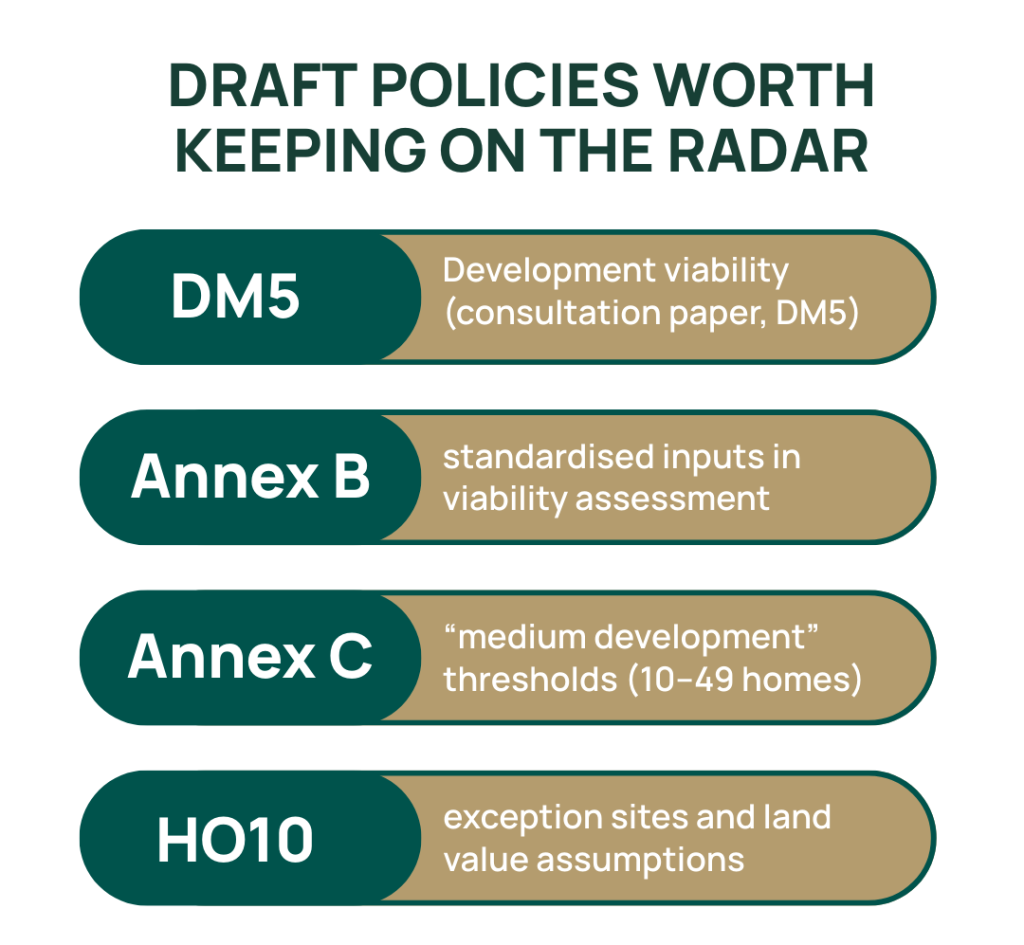
Other draft policies worth keeping on the radar
The consultation is broad. Depending on your project type and landholding, there are other parts worth noting:
- Draft NPPF DM5 on development viability (consultation paper, DM5).
- Consultation Annex B on standardised inputs in viability assessment (consultation paper, Annex B).
- Consultation Annex C on “medium development” thresholds (10–49 homes), mainly relevant for estate strategies that include housing (consultation paper, Annex C).
- Consultation HO10 on exception sites, including rural exception sites and land value assumptions (consultation paper, HO10).
Make January 2026 the moment you commit to progress
If diversification has been on the list for years, the New Year is the best time to reset. The first quarter is often the ideal window to begin the journey.
Dudley Peverill Associates supports UK farms and estates with rural projects and diversification, from concept to completion. If you want clarity on the best next step for your rural business, we can help you turn uncertainty into a structured route forward.