
Across a range of recent government consultations, from rural tourism and visitor accommodation to the future of rental standards, the same pattern is emerging. The pressure point in rural businesses isn’t always access to land, capital, or demand, but management bandwidth.
The Many Happy Returns podcast offered a neat way of describing this: Return on Arse (ROA). In simple terms, it measures not just financial return but also the level of hassle, mental load, and ongoing attention an enterprise demands. For farmers and estates weighing up diversification, it’s becoming an essential metric.
1. Tourism: glamping and shepherds’ huts under rising administrative strain
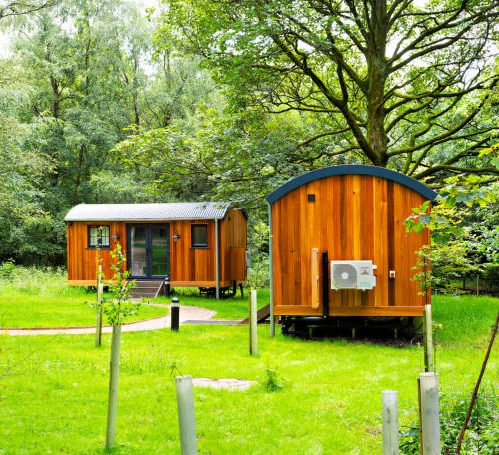
A decade ago, glamping and shepherds’ huts offered a clean, appealing route into tourism. They turned underused corners of the farm into income with relatively low day‑to‑day effort. For many, that was the attraction: seasonal, visually appealing, and manageable alongside the main farm business.
But the direction of policy is shifting. New rules around registration, safety, taxation, and visitor oversight all point towards more forms, more compliance, and more ongoing management and monitoring. What began as a simple side venture increasingly resembles a regulated accommodation business.
This matters when the same two or three people are also handling SFI claims, tenancy matters, labour issues, agronomy, planning, and everything else that lands on a farm kitchen table. Even profitable glamping setups can quietly see their ROA fall as the friction around running them grows.
2. Energy and housing standards: complexity for rural landlords
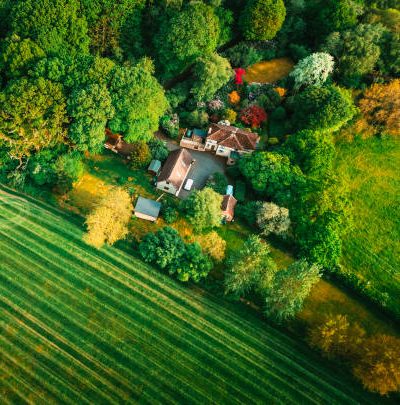
Other consultations are tightening expectations on privately rented homes, including those on farms and estates. Many rural landlords now face higher energy standards, deeper retrofit requirements and more complex compliance.
Alongside this comes the Renters’ Reform landscape, including the new requirement for landlords to serve the government’s Renters’ Rights Act Information Sheet to existing assured and assured shorthold tenants. These are sensible protections for tenants, but they mean extra deadlines, documentation and systems to manage, particularly for estates where let housing is woven into the wider business rather than run as a separate function.
For older rural buildings, stone, timber frame, and traditional construction methods, the practicalities of meeting future standards become a coordination challenge as much as a financial one. Vacant periods, planning and heritage constraints, sequencing of works, and specialist advice all add to the operational weight.
3. What this means for diversification strategy
Across the estates and farms we support, the strongest projects tend to share three traits:
They don’t overload management capacity.
Profit is not the only test. A project that adds another strand of regulatory upkeep and management resource, however minor, must earn its place.
They build on existing trust and infrastructure.
Working with neighbours, tenants, or local partners usually produces a higher ROA than creating a brand‑new owner-operated enterprise from scratch.
They leave space for future policy drift.
Whether on letting rules, accommodation standards, EPCs, or planning, regulation rarely becomes more straightforward. Projects with headroom age far better than those built to today’s tightest margin.
4. The lesson
In uncertain times, there is a temptation to chase new revenue quickly. But the real advantage lies in choosing projects that don’t drain your attention. Diversification should make the business more resilient, not more fraught.
ROA is a simple reminder: the best ideas aren’t just those with a strong financial return; they’re the ones you can run without grinding yourself down.
If you’re considering diversification, projects, or are reviewing existing enterprises, it may be time to look beyond projected income and ask a different question: How much management capacity will this really require and, How can this be resourced?
We work with farms and rural estates to assess opportunities not just on financial return but on long-term practicality, resilience, and operational fit. If you would like an informal conversation about your project plans or a strategic review of your current business in the context of diversification, we would be pleased to help.